Hairgrass
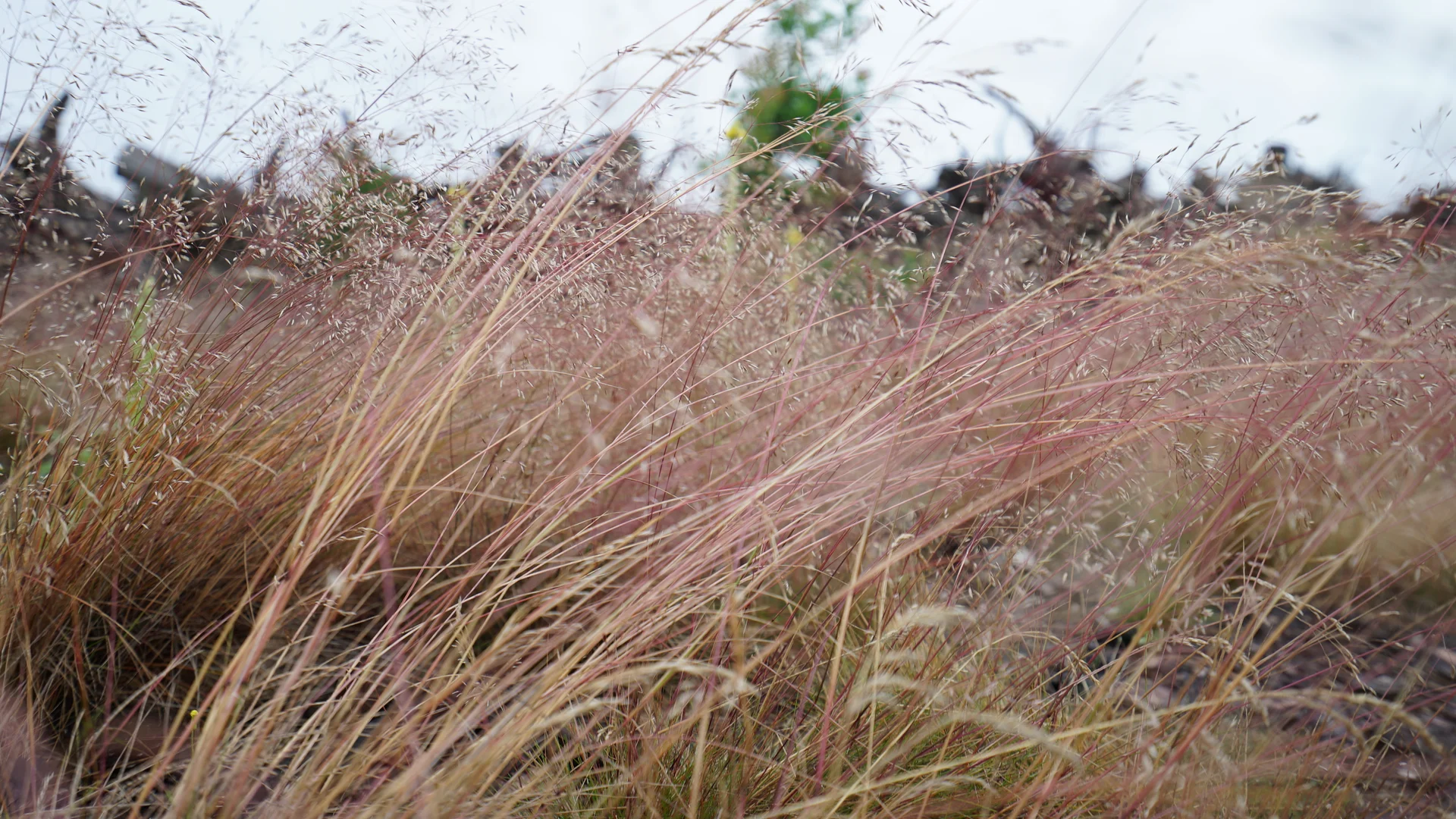
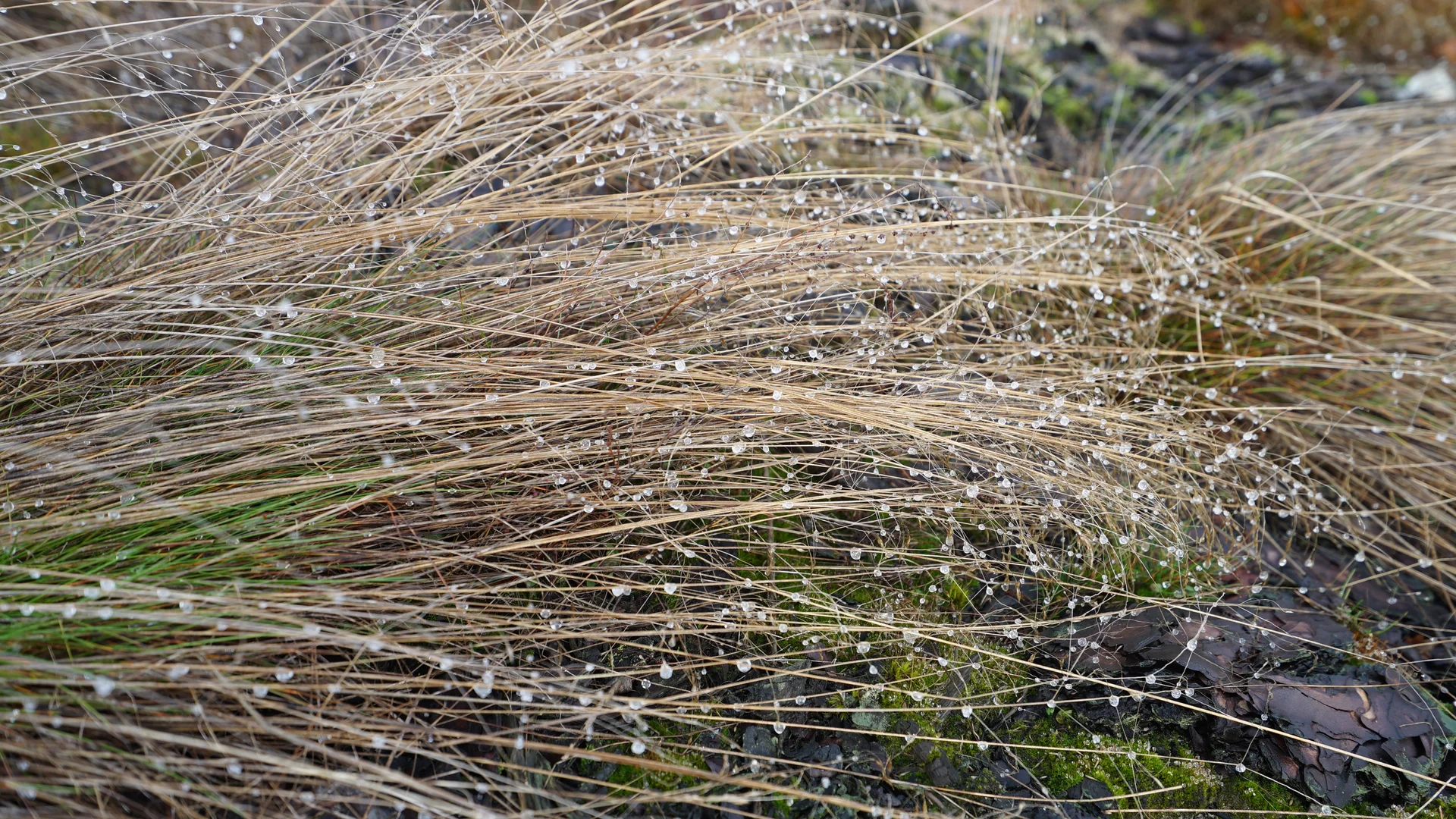
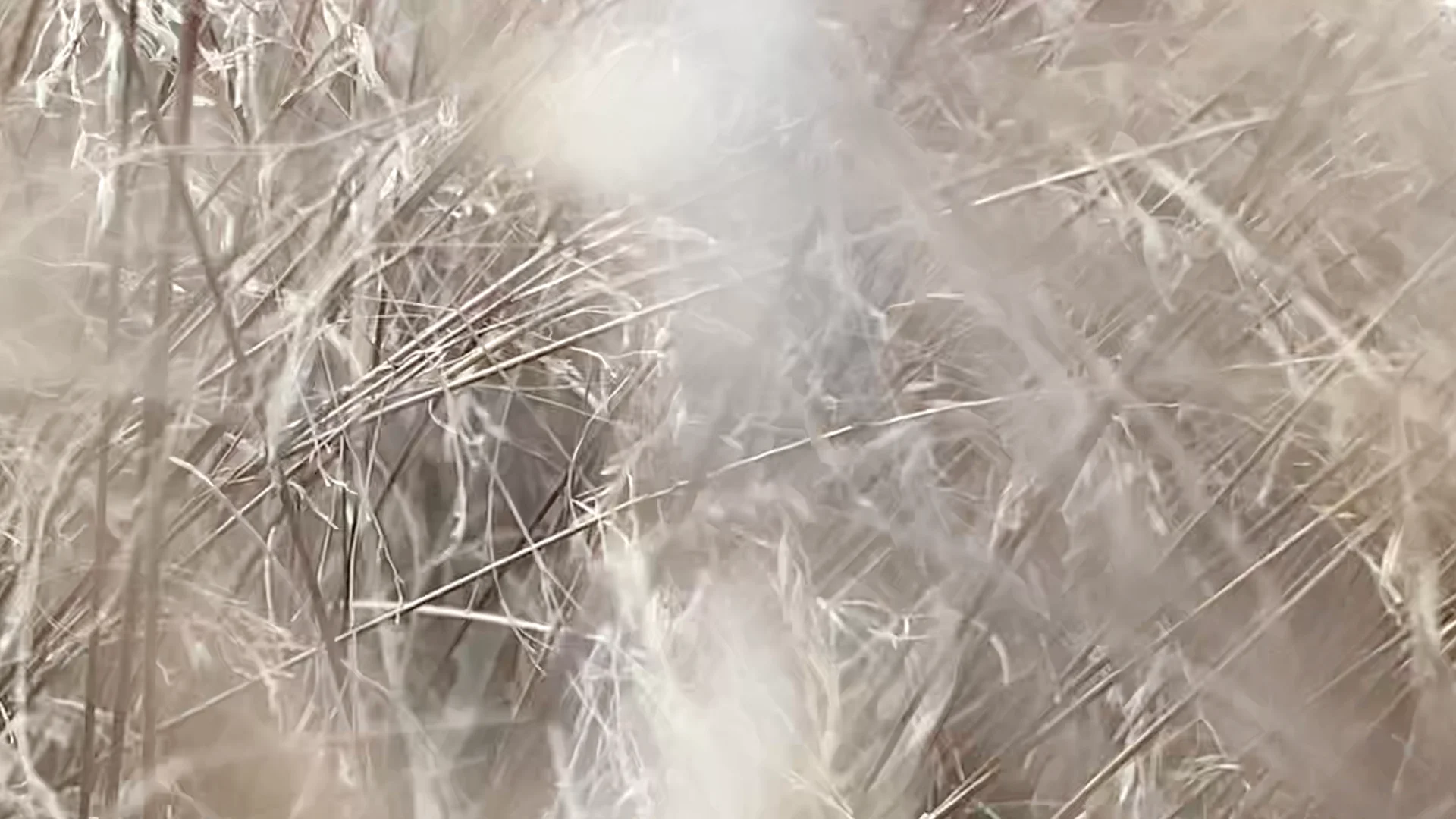
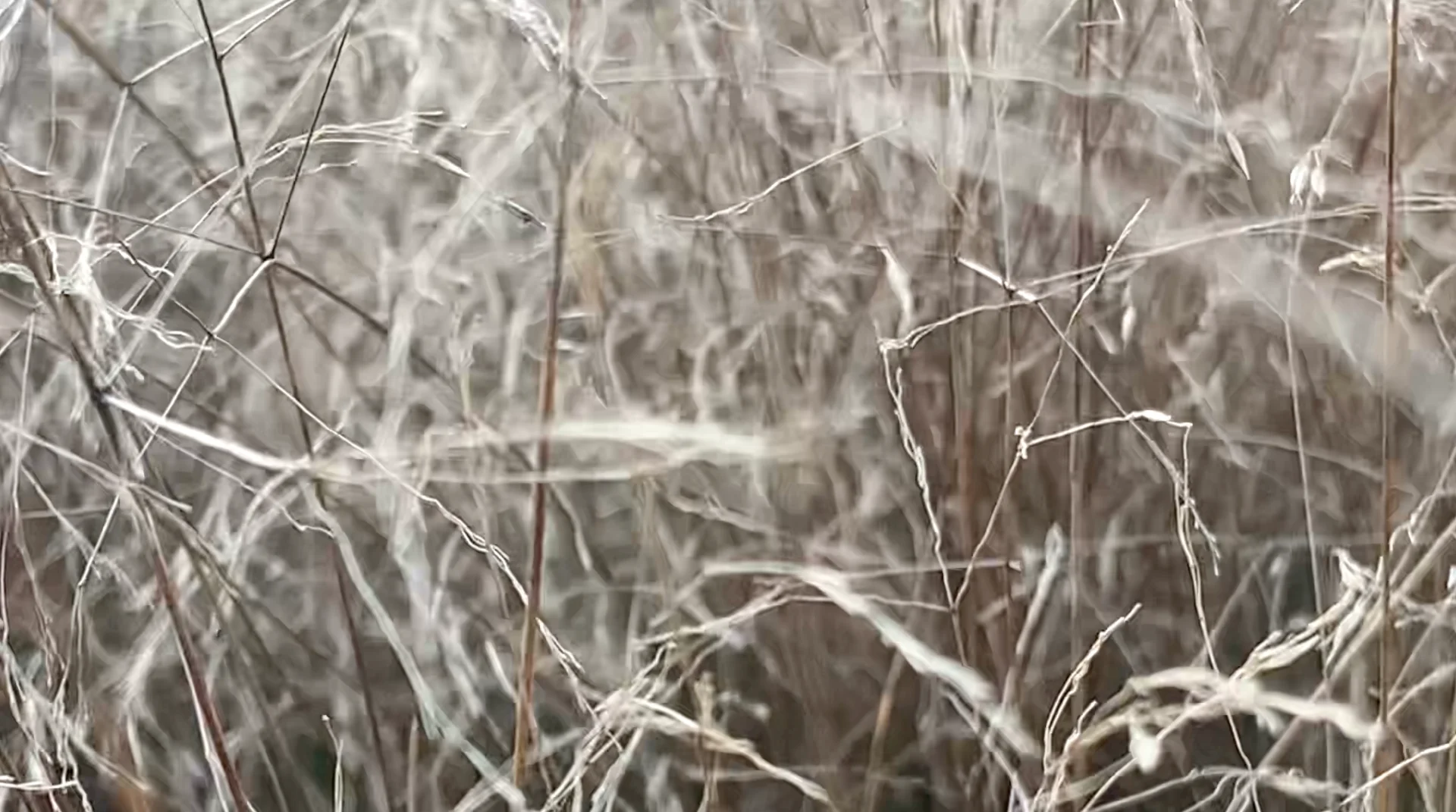
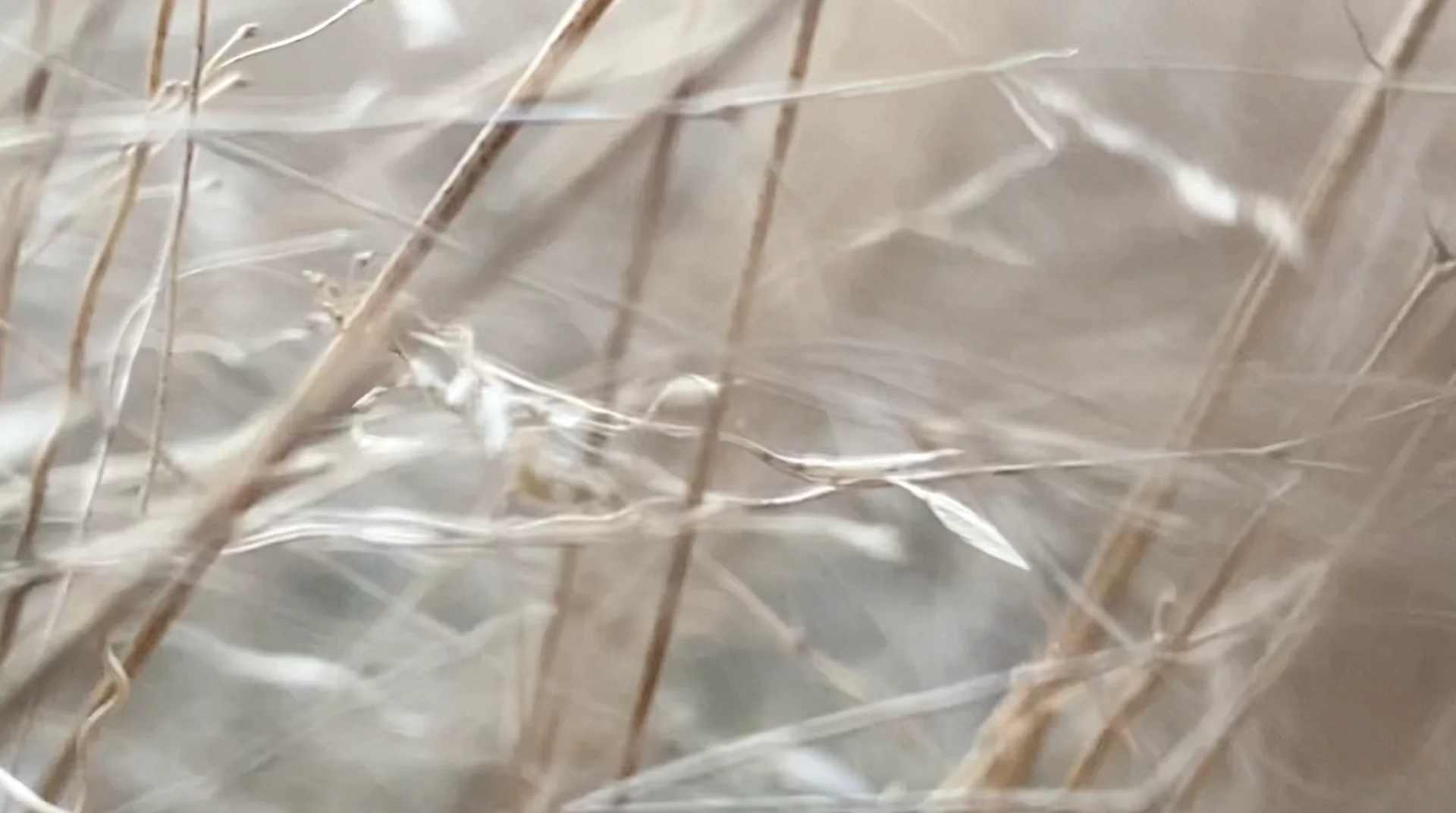
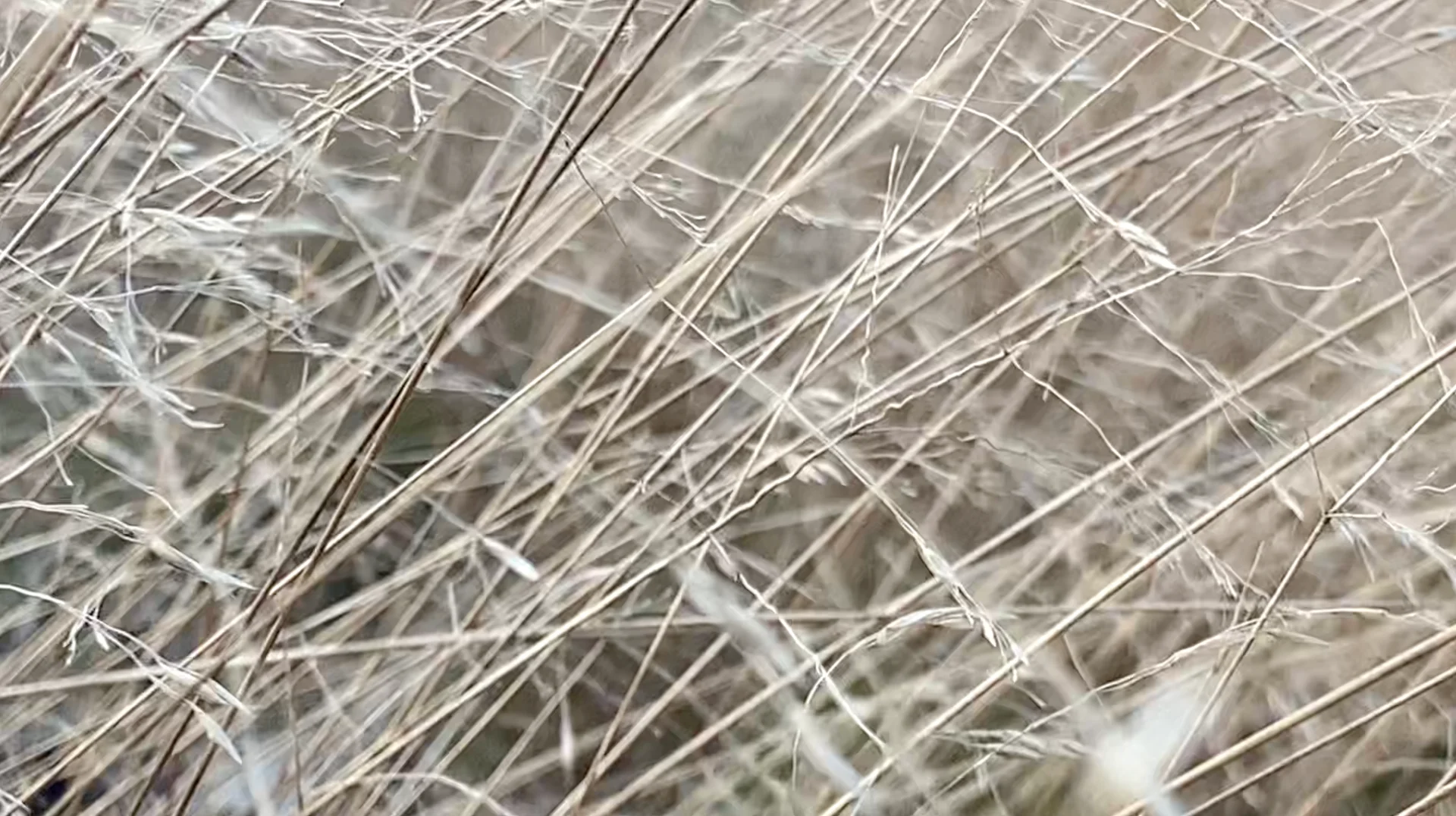
Hairgrass is the grass inhabiting the Mound—a pioneer species covering the soil of the Lack of Forest. It had particular significance for me. I loved placing my hand into the mound’s miniature jungle created by it, a sensual thicket, and stroking its golden—and, after prolonged sun exposure, ruby—locks. I would immerse myself in it sometimes with my hand, sometimes with the camera. A beautiful jungle reveals itself to a machine zoom or to the human eye. All you need to do is lie down or crouch to watch the ballet of the hairgrass. Lean in and move through an extraordinary world, the colour of shining straw. Something unnoticed at first, especially for an eye untrained in gardening, reveals itself in the moment of touch. The trigger of sensations is a small pleasure, the tickling of ankles, hands, and cheeks.
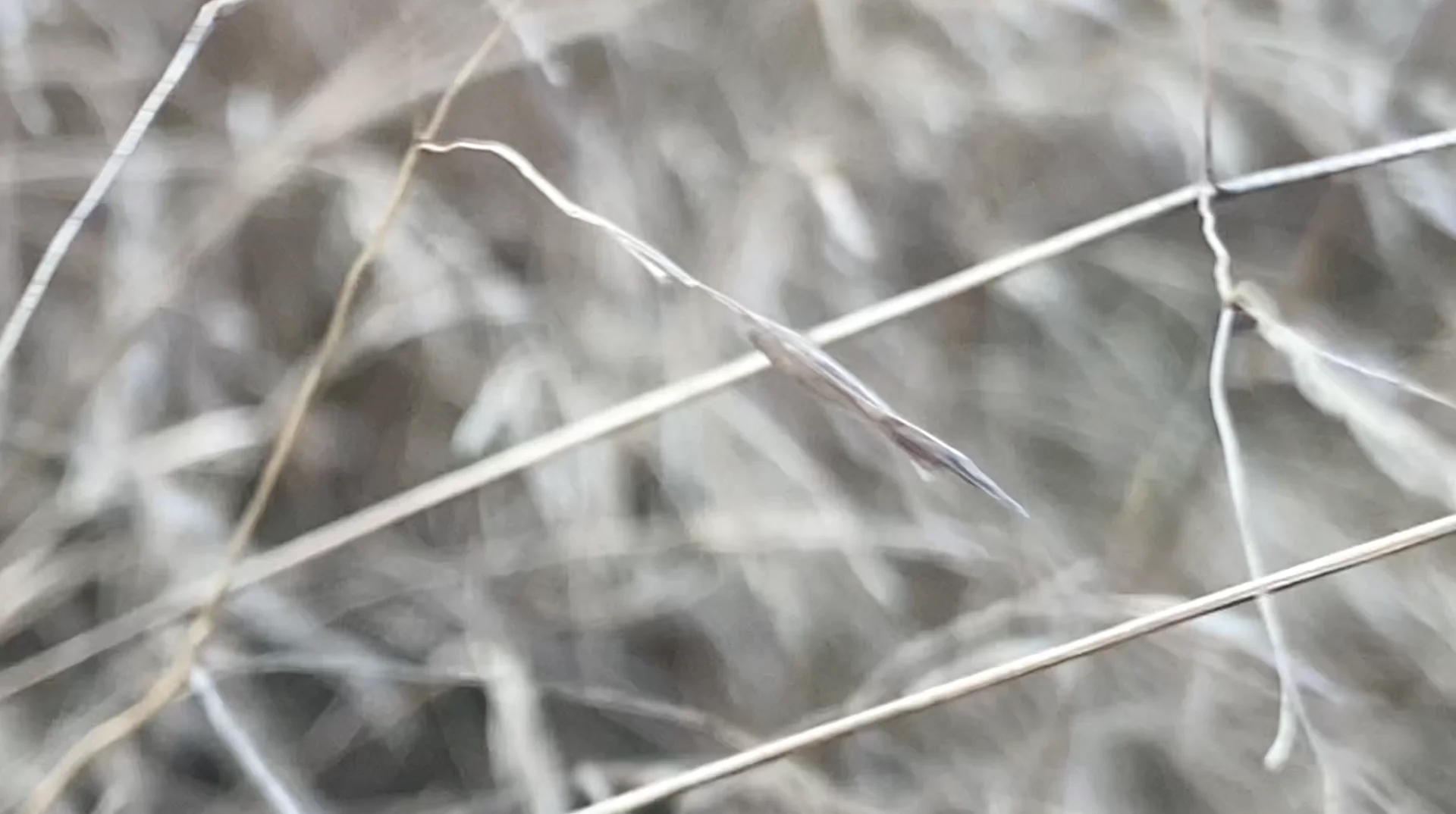
After the catastrophe comes a radical change of scale. From an enormous forest before which people sometimes trembled, but which for centuries soothed and elevated, allowing one to experience cathartic ecstasy, attention shifts to the clumps of drying grass swaying in the wind. In the hairgrass, only the fingertips are immersed, gently brushed by delicate spikes. The hand reaches as deep as possible into the hairgrass’s mane, while the rest of the body guards the experience, taking on pleasant shivers—the body tenses and contracts to allow wading through the grass. The tickled hand rewards the numbness of the other limbs, and the neurons take over the storytelling. The feeling of immersion returns, mediated by the screen’s magic. The video material reveals the beauty of alternating blur and sharpness. In a slowed rhythm, giving a sense of breath and relief.
Experiencing the forest after the forest requires effort, intention, sharpened reflexivity, and an analytical gaze. It is a form of devotion, of difficult co-being, a form of struggling with the feeling of loss and the need to accept it. In every lack-of-forest existence, there is a fight for a place, for return, for functioning again. But for human participants, it is also a struggle for conscious life in an interspecies relationship. For the possibility of writing the history of the disappearance of our forest—a history that otherwise no one would record. For gathering experiences that we can pass on, that we can return to, that fill the emptiness after the catastrophe with events full of complexity and meaning. For the courage to enter the forest that supposedly isn’t there. With the feeling that the ground opens under one’s feet, only to harden a moment later, holding us upright.